Finding a Therapist in Hull: What to Look For
Deciding to look for a therapist is a big step. For a lot of people it comes after months, sometimes years, of thinking about it. So when you finally start searching, it can be frustrating to be faced with a long list of names and not much idea how to choose between them.
If you live in Hull or the East Riding, you have more options than you might think. There are NHS talking therapies, which you can usually refer yourself to. There are charities and low-cost services. And there are private counsellors and psychotherapists across the city, in Cottingham, Hessle, Beverley and beyond, as well as plenty who work online.
This article is about what to look for if you're choosing a private therapist. I'm a therapist myself, based in Cottingham, so I have an obvious interest. But I'd much rather you found the right person for you, even if that isn't me.
1. Check they're registered
This surprises a lot of people: in the UK, "counsellor" and "psychotherapist" are not protected titles. Anyone can use them.
So the first thing to check is that your therapist belongs to a professional body with a register accredited by the Professional Standards Authority. The best known are the UKCP, the BACP and the NCPS. Members have met training standards, follow an ethical code, and can be held to account through a complaints process. Each body has a searchable register online, and it only takes a minute to check.
2. Understand their training
Training varies a lot. Many counsellors hold a Level 4 diploma. Psychotherapists usually train for longer, often to Level 7, which is equivalent to a Master's degree, and have their own personal therapy as part of that training.
Neither is automatically better for everyone. Counselling is often a good fit for working through something that's happening now. Psychotherapy tends to go deeper into patterns that have built up over time. If you're not sure which you need, my article on the difference between counselling, psychotherapy and coaching might help.
3. Ask how they work
You'll come across lots of names for different approaches: person-centred, CBT, psychodynamic, integrative, Transactional Analysis and more. It's worth asking a therapist how they work and what a typical session looks like.
But try not to get too hung up on labels. Research has consistently found that the relationship between you and your therapist is one of the most important factors in whether therapy helps. Which brings me to the most important point of all.
4. Notice how it feels to talk to them
Most therapists offer a free first conversation. Use it. Pay attention to how you feel. Do you feel listened to? Do they explain things clearly? Can you imagine telling them the difficult stuff?
It's completely fine to speak to two or three therapists before you decide. A good therapist won't be offended. They want the fit to be right as much as you do.
5. Get the practical things right
Therapy works best when it's regular, so the practical side matters more than people expect.
- Location: can you get there easily? Is there parking, or is it on a bus or train route? Hull traffic at rush hour is worth factoring in.
- Online options: would online or phone sessions suit you better, or work as a back-up when life gets busy?
- Times: do they offer evening or weekend appointments if you work during the day?
- Session length and frequency: sessions usually last 50 to 60 minutes, often weekly.
- Fees and cancellations: ask about the fee and the cancellation policy at the start, so there are no surprises.
Questions to ask in a first conversation
- Which professional body are you registered with?
- What experience do you have with what I'm bringing?
- How do you work, and what would a session look like?
- How often would we meet, and for roughly how long?
- What are your fees and cancellation policy?
- What are the limits of confidentiality?
- Are you supervised and insured?
A few warning signs
Be cautious if a therapist promises a cure or a quick fix, can't tell you which professional body they belong to, pressures you to book and pay for lots of sessions up front, is vague about confidentiality, or blurs boundaries, for example by suggesting friendship or contact on social media. A good therapist will be clear, consistent and comfortable answering your questions.
If you need help right now
Finding a therapist takes a little time. If you're struggling now, please don't wait. Contact your GP, call NHS 111 and choose the mental health option, or call Samaritans free on 116 123, day or night. In an emergency, call 999.
Thinking of talking to me?
I'm a Level 7 qualified, UKCP registered psychotherapist with a therapy room in Cottingham, about four miles from Hull city centre, with free on-street parking nearby. I also work online and by phone, with daytime, evening and weekend appointments.
If you'd like to find out whether we'd be a good fit, you can book a free 30-minute consultation, read more about counselling with me, or see how to find me in Cottingham.
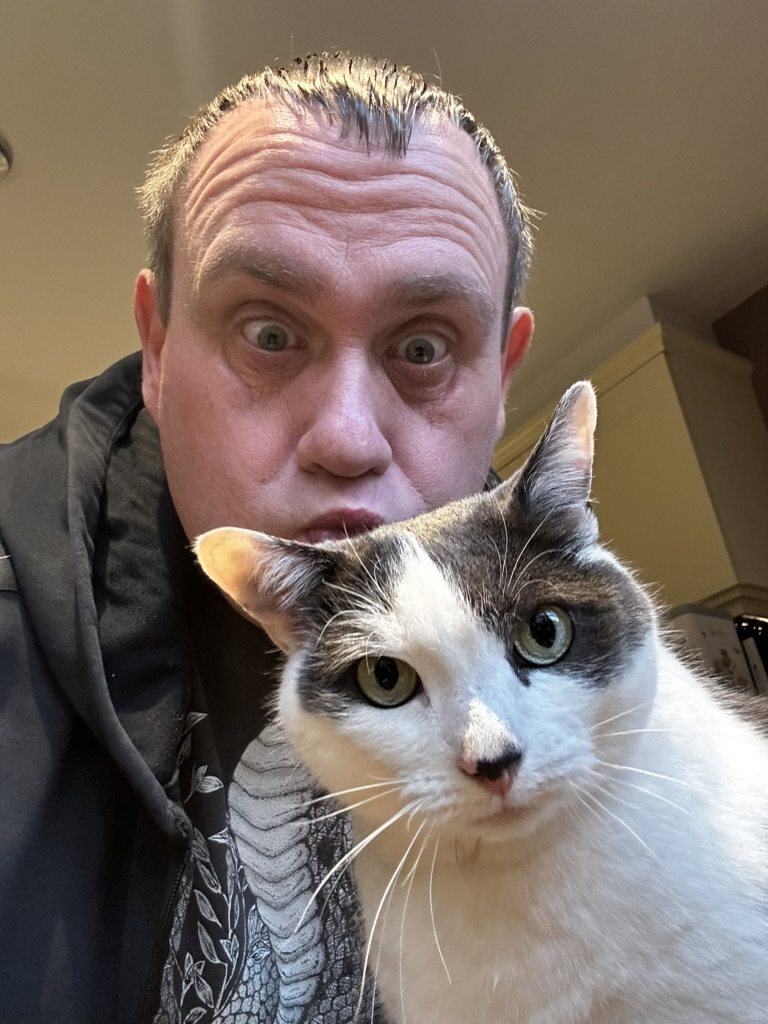
UKCP registered psychotherapist, trainer and coach in Cottingham, Hull and Online. More about me or book a free consultation.